
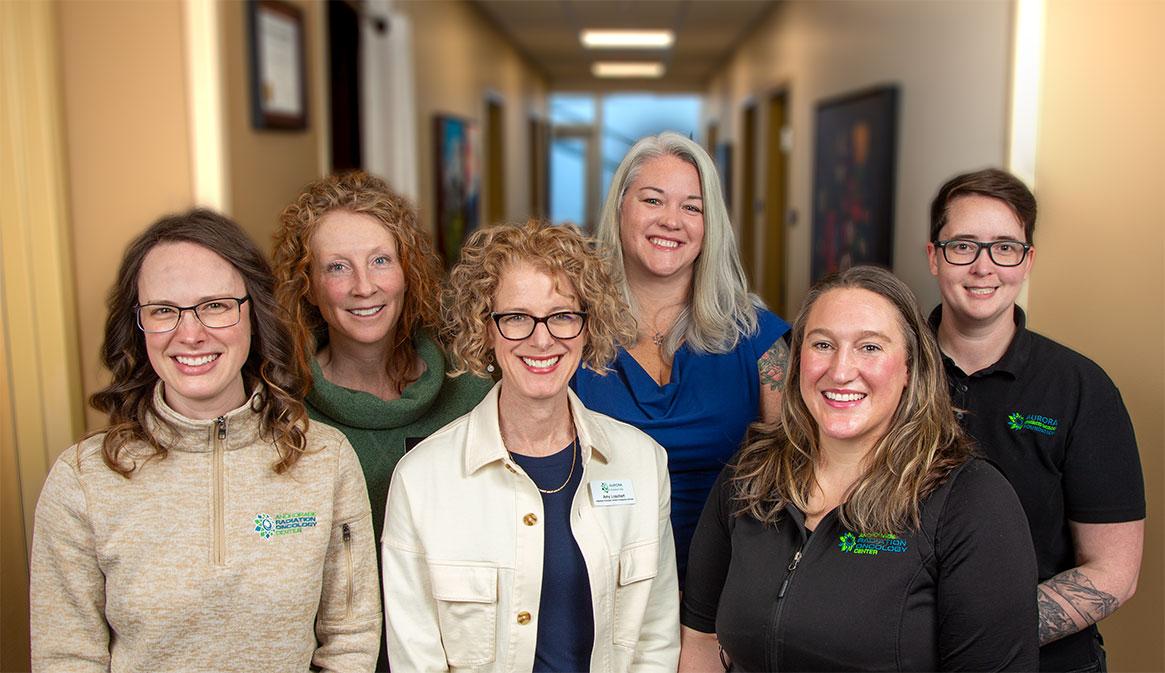
Meet Your Integrative Care Team

Amy Loschert, ND FABNO
Medical Director of Integrative and Supportive Oncology Services
Naturopathic Doctor
Board Certified

Kelly S., LAc
Licensed Acupuncturist

Rachel W., ANP
Palliative Care Director

Shirlie M., LMSW
Oncology Social Worker

Danielle K., MS CNS LN CNGS
Licensed Nutritional Specialist

Kelly B., LMT, RN
Licensed Massage Therapist

In partnership with Maple Tree Cancer Alliance
Exercise and Diet. Be Determined.
Maple Tree Cancer Alliance is a global nonprofit organization dedicated to improving the lives of individuals diagnosed with cancer through structured, evidence-based exercise programs. Their mission is to ensure that every person facing cancer has access to safe, individualized exercise support during and after treatment.

Why Exercise During Cancer Treatment
Cancer treatment often leads to significant side effects such as fatigue, muscle loss, weakness, neuropathy, reduced cardiovascular fitness, and decreased quality of life. Research consistently shows that appropriately prescribed exercise can help:
- Reduce cancer-related fatigue
- Improve strength and physical function
- Support cardiovascular health
- Maintain independence and daily functioning
- Improve overall quality of life during and after treatment
How Maple Tree Programs Work
Through our partnerships, Maple Tree provides individualized exercise training designed specifically for people undergoing or recovering from cancer treatment. These programs are delivered by oncology-trained exercise professionals who understand the unique physiological and clinical considerations of cancer care.
Key elements of the program include:
- Individualized exercise plans based on diagnosis, treatment status, and symptoms
- Supervised sessions with oncology-trained exercise professionals
- Focus on improving strength, endurance, balance, and functional ability
- Adaptations for fatigue, neuropathy, bone metastases, surgical limitations, and other treatment effects
Because every patient’s experience with cancer is different, the program emphasizes personalization, safety, and gradual progression.
Access for Patients
One of the most important aspects of the Maple Tree model is accessibility. Through our nonprofit partnerships, these services are provided free of charge to patients for 12 weeks, removing financial barriers and ensuring individuals can access supportive care that can make a meaningful difference in their recovery and quality of life.